









“AI-Powered Collaboration Tools are transforming the way modern teams work, making collaboration faster, smarter, and more efficient than ever.”
Today’s high-performing teams collaborate across time zones, tools, and disciplines, often in fast-moving, complex environments. Traditional collaboration methods struggle to keep up with this pace. This is where Artificial Intelligence is redefining how teams communicate, coordinate, and execute. At ElanceOne, we believe AI-powered collaboration Tools are not about replacing human creativity. It is about amplifying it, removing friction, automating busywork, and creating intelligent systems that help people work better together.
This guide explores how organizations can master AI-Powered Collaboration Tools to build stronger collaboration, faster execution, and more connected digital workplaces.
Why Collaboration Is Breaking Down in Modern Organizations
Most teams today use dozens of tools:
- Project management platforms
- Chat applications
- Email systems
- Document collaboration tools
- Video conferencing platforms
Yet despite all these tools, common problems remain:
- Information scattered across systems
- Meetings without clear outcomes
- Repetitive manual updates
- Misaligned priorities between teams
- Slow decision-making
The issue is not a lack of tools. The issue is a lack of intelligent orchestration. AI fills this gap by acting as the connective layer between people, processes, and platforms.
What AI-Powered Collaboration Tools Really Means
AI-powered collaboration Tools uses intelligent systems that understand context, analyze work patterns, automate routine coordination, and surface relevant insights exactly when teams need them. Instead of employees wasting time searching across disconnected tools, AI-powered workflow automation delivers the right information directly into daily operations. Rather than managers manually tracking tasks and project status, AI-driven analytics identify risks, highlight opportunities, and provide real-time visibility into team performance. Repetitive coordination steps are replaced by automated business processes that run seamlessly in the background.
Repetitive coordination steps are replaced by automated business processes that run seamlessly in the background.
The result is a connected digital workplace with:
- Less friction
- Faster execution
- Higher productivity
- Better focus on high-impact work
Core Ways AI Enhances Team Collaboration
Industry insights: Leading academic and research publications highlight the growing impact of AI and digital transformation on collaboration and productivity. For example, the International Journal of Artificial Intelligence and Machine Learning explains how AI-driven remote work collaboration tools are enhancing communication, coordination, and team efficiency, while MoldStud Research outlines how digital transformation is improving employee collaboration and workplace connectivity.
According to research from the International Journal of Artificial Intelligence and Machine Learning andMoldStud, organizations adopting AI-powered collaboration tools and digitally enabled communication platforms experience measurable improvements in productivity, faster decision-making, and stronger employee engagement.
1. Intelligent Meeting Assistants

AI tools can:
- Transcribe meetings in real time
- Summarize key points
- Extract action items
- Assign tasks automatically
This eliminates forgotten decisions and ensures alignment after every discussion. Teams spend less time documenting and more time executing.
2. AI-Powered Knowledge Management
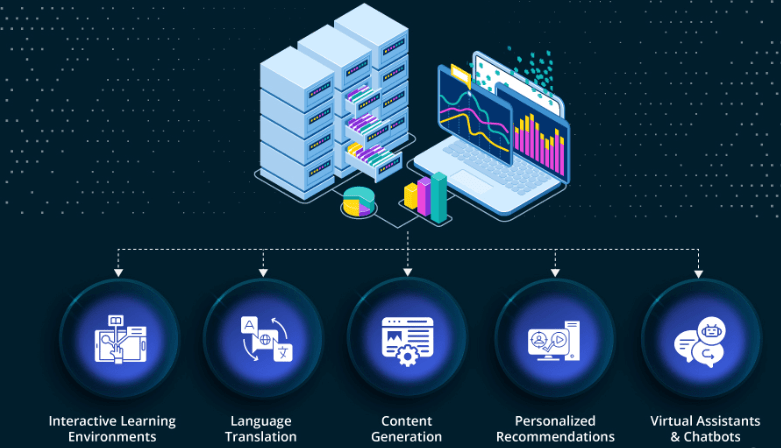
Organizations accumulate massive amounts of knowledge, but most of it is buried. AI search and knowledge assistants can:
- Instantly answer internal questions
- Locate documents, conversations, or past decisions
- Recommend relevant resources
This prevents repeated work and speeds up onboarding. Knowledge becomes accessible, not hidden.
3. Smart Task & Workflow Automation
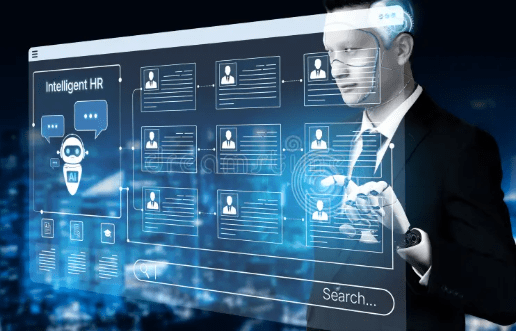
AI can monitor workflows and trigger actions automatically:
- Create tasks when certain events occur
- Route requests to the right team
- Send reminders when deadlines approach
- Escalate risks early
Collaboration becomes proactive rather than reactive.
4. Predictive Project Intelligence
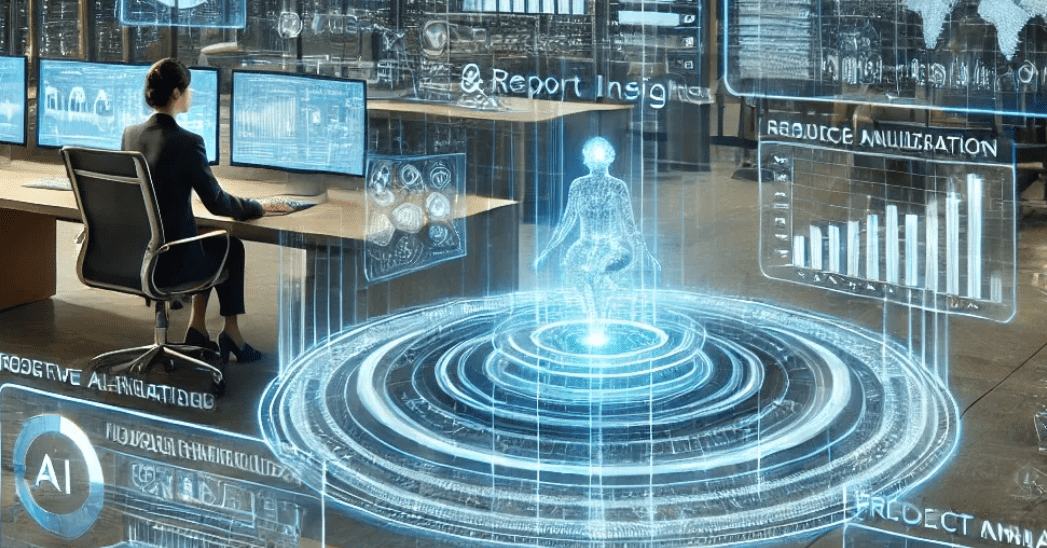
AI-powered project intelligence analyzes historical project data to deliver accurate forecasts, identify hidden risks, and strengthen decision-making across teams. By examining past performance patterns, AI can estimate project timelines more accurately, detect workflow bottlenecks early, predict potential resource shortages, and highlight scope and delivery risks before they escalate. This predictive capability gives leaders real-time visibility into project health, enabling proactive planning instead of reactive firefighting. As a result, organizations using AI-driven project management gain better control over schedules, costs, and resource allocation while ensuring projects stay aligned with business goals.
5. Context-Aware Communication
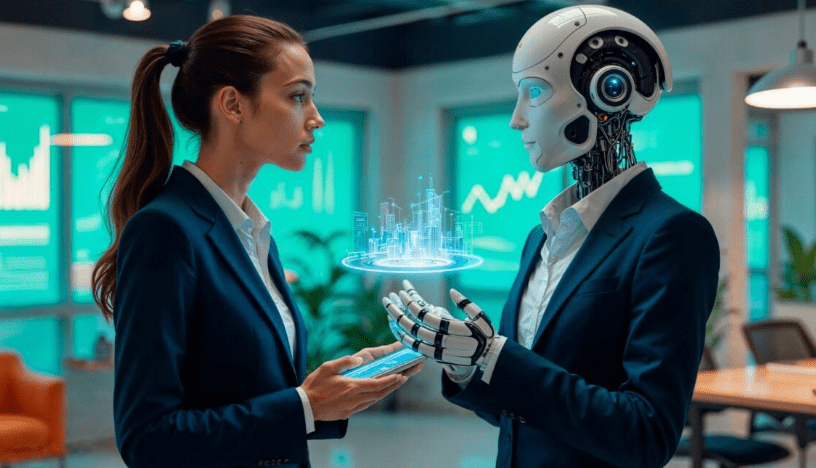
AI-powered communication systems enhance collaboration by intelligently guiding how and where conversations happen. Using context-aware analysis, AI can suggest the right stakeholders to involve, recommend the most effective communication channel, and summarize long or complex message threads into clear, actionable insights. This eliminates unnecessary noise, reduces miscommunication, and ensures that teams stay aligned around what truly matters. The result is faster decision-making, clearer conversations, and a more focused digital workplace where information flows efficiently
The Business Impact of AI-Powered Collaboration Tools

When implemented correctly, AI-Powered Collaboration Tools deliver measurable benefits:
- Faster project completion
- Lower operational overhead
- Improved employee satisfaction
- Reduced errors and rework
- Stronger cross-team alignment
“Collaboration shifts from being a bottleneck to a competitive advantage.”
Common Mistakes to Avoid
Many organizations fail with AI-Powered Collaboration Tools because they:
- Deploy too many disconnected tools
- Focus on features instead of workflows
- Ignore user adoption
- Choose black-box systems without transparency
“Successful AI collaboration requires strategy first, tools second”.
A Practical Framework for Mastering AI-Powered Collaboration Tools
Step 1: Map Your Collaboration Flows
Identify:
- How work enters the system
- How tasks move between teams
- Where delays happen
- Where manual effort is high
This reveals where AI can deliver the biggest impact.
Step 2: Define Clear Objectives
Examples:
- Reduce meeting time by 30%
- Cut project delays by 20%
- Improve cross-team visibility
AI initiatives should be tied to outcomes, not trends.
Step 3: Start with High-Value Use Cases
Focus on:
- Meeting intelligence
- Workflow automation
- Knowledge search
Quick wins build momentum.
Step 4: Integrate, Don’t Isolate
AI tools must connect with existing systems:
- Project management
- CRM
- Communication platforms
- Documentation tools
Integration creates seamless collaboration.
Step 5: Continuously Optimize
- AI systems improve with feedback and data.
- Review performance, adjust workflows, and evolve use cases.
How ElanceOne Helps Organizations Build AI-Powered Collaboration Tools
At ElanceOne, we design practical AI-powered collaboration Tools or AI-driven collaboration systems tailored to real business operations. Rather than deploying generic, one-size-fits-all tools, we engineer intelligent workflows that align with your organization’s processes, goals, and team dynamics. Our approach combines collaboration workflow analysis, custom AI agent development, seamless automation design and integration, security-first implementation, and continuous optimization. The result is an AI-enabled collaboration environment that feels natural, intuitive, and reliable helping teams work smarter, communicate better, and scale with confidence.
To explore how we help organizations build AI-driven collaboration systems, visit our Services page to learn more about our solutions.
The Future of Collaboration Is Human + AI
The future of work is not human versus artificial intelligence, it is human intelligence enhanced by AI.
The most successful organizations will not be those with the most tools or the most software subscriptions. They will be the ones with the smartest AI-powered collaboration Tools systems that remove friction, streamline communication, automate coordination, and allow people to focus on meaningful, high-value work.
In AI-driven digital workplaces, routine tasks such as status updates, task tracking, scheduling, and information retrieval are handled by intelligent systems. This frees teams to concentrate on creativity, strategy, problem-solving, and innovation areas where humans perform best.
AI enhances collaboration by:
- Reducing communication overload and unnecessary meetings
- Improving decision-making with real-time insights
- Connecting teams across departments and time zones
- Ensuring alignment through intelligent workflows
- Supporting employees instead of replacing them
Rather than replacing collaboration, AI elevates it making teamwork more efficient, inclusive, and scalable. Organizations that embrace a human + AI collaboration model will move faster, adapt better, and gain a lasting competitive advantage in the digital economy.
They will be the ones with the smartest systems systems that remove friction, enhance communication, and allow people to focus on meaningful work.
AI does not replace collaboration.
It elevates it.
Final Thoughts
Mastering AI tools for enhanced collaboration is not a one-time initiative,it is a continuous evolution toward smarter, more connected digital workplaces.
When implemented with the right strategy, AI-powered collaboration tools reduce friction, enhance communication, and help teams scale efficiently without losing clarity or creativity. The goal is not more tools, but intelligent systems that support people, streamline workflows, and improve decision-making.
Organizations that invest early in AI-driven collaboration will be better positioned to adapt, innovate, and stay competitive in an increasingly digital future.
The future of collaboration is simple: human intelligence, amplified by AI.
FAQS: AI-Powered Collaboration Tools
-
How do AI-powered collaboration tools improve team productivity?
These tools reduce manual effort by automating meeting summaries, task creation, workflow routing, and knowledge search. By removing repetitive coordination work, teams can focus on high-impact activities such as problem-solving, innovation, and decision-making.
-
What is the difference between AI-powered collaboration tools and traditional collaboration tools?
Traditional collaboration tools focus on communication and task tracking, while AI-powered collaboration tools add intelligence. They analyze context, predict risks, surface insights proactively, and continuously optimize workflows based on team behavior and data.
-
How does AI-driven collaboration support remote and hybrid teams?
AI-driven collaboration helps remote and hybrid teams stay aligned by providing real-time visibility, context-aware communication, and automated coordination. This ensures consistent collaboration across locations without increasing meetings or manual follow-ups.
-
Are AI-powered collaboration tools secure for enterprise use?
When implemented correctly, AI-powered collaboration tools follow enterprise-grade security standards, including data encryption, access controls, and compliance requirements. Security-first design is essential when integrating AI into collaboration workflows.
-
What are the main use cases for AI-powered collaboration tools?
Common use cases include intelligent meeting assistants, AI-powered knowledge management, workflow automation, predictive project intelligence, and context-aware communication across teams and departments.
-
How can organizations get started with AI-powered collaboration tools?
Organizations should begin by mapping collaboration workflows, defining clear business objectives, and starting with high-value use cases. Integrating AI with existing systems and continuously optimizing workflows ensures long-term success.