










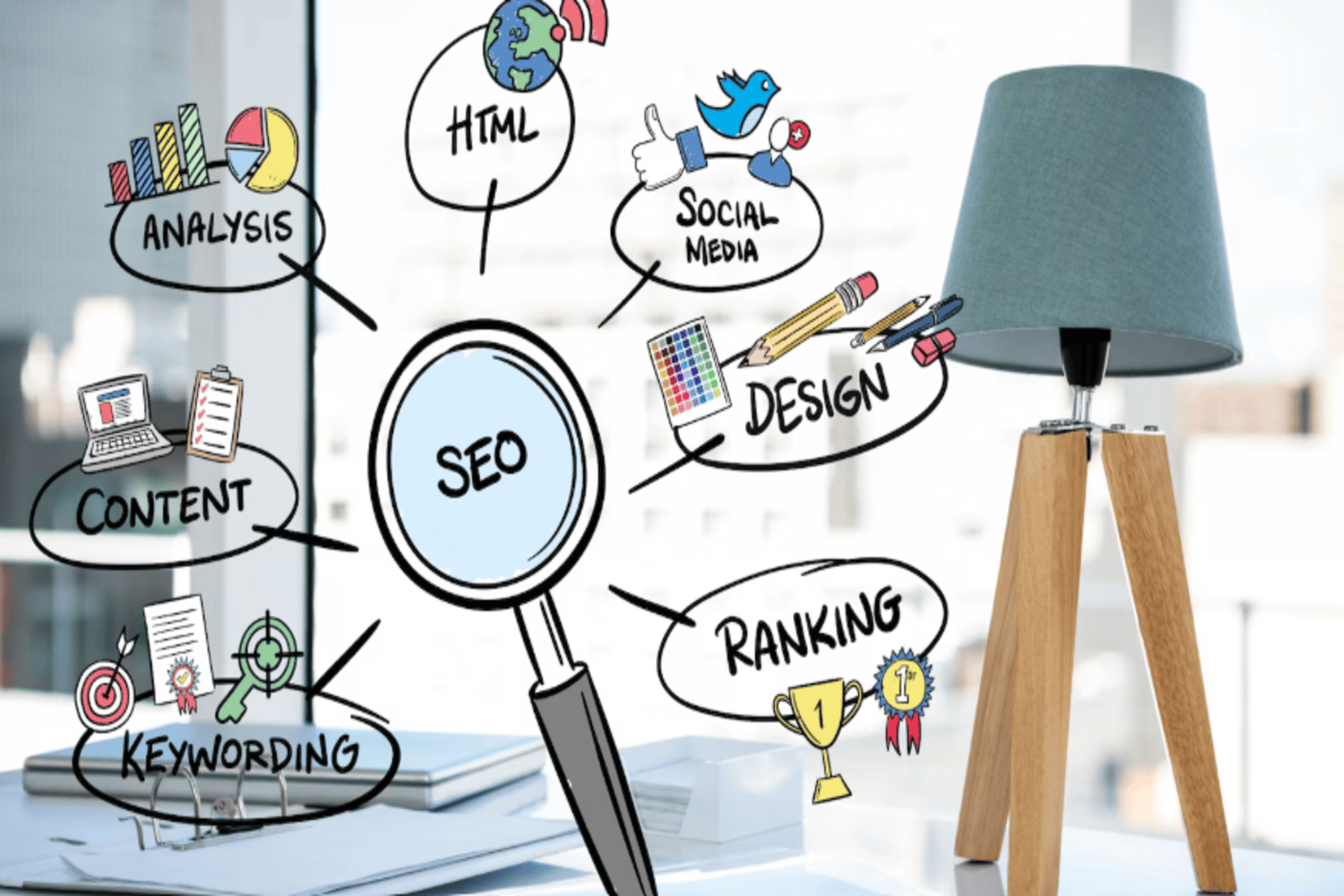
In today’s digital world, simply having a website is not enough. Businesses need websites that are optimized for search engines, provide a smooth user experience, and deliver valuable content. Google’s algorithms are constantly evolving, and websites must follow best practices to stay competitive.
If your goal is to attract more visitors, generate leads, and build credibility online, you need a structured strategy for improving your website’s performance. Ranking higher on Google depends on multiple factors, including technical optimization, high-quality content, user experience, and authority signals.
This guide outlines 20 essential things every website must do to rank higher on Google in 2026.
Table of Contents
1. Perform Proper Keyword Research
Keyword research is the foundation of SEO. Before creating any content, it is important to identify the terms people are searching for online.
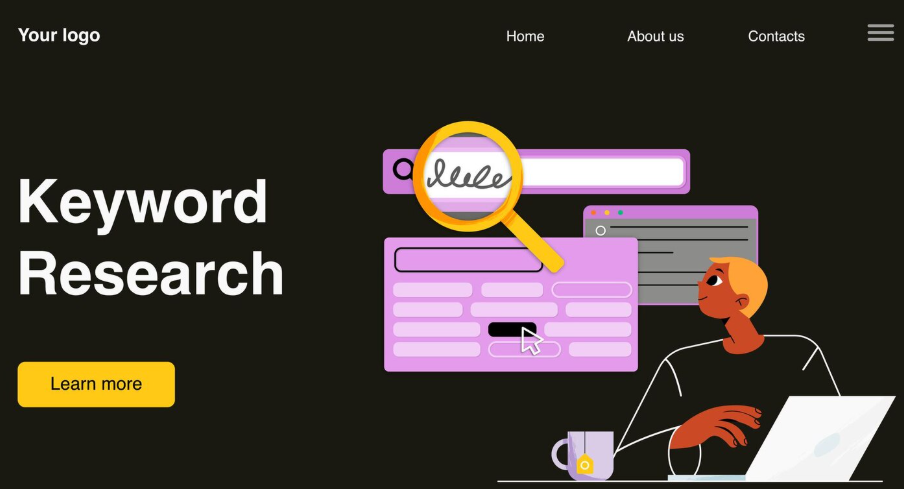
Effective keyword research helps you understand:
- What your audience is searching for
- How competitive certain keywords are
- Which topics can bring traffic to your website
Using the right keywords ensures your website content aligns with user intent. Effective keyword research helps businesses understand what users are searching for online. Tools like Google Keyword Planner can help identify high-value keywords and search trends that improve SEO strategies.
2. Optimize Page Titles
Your page title is one of the most important ranking factors.

A good title should:
- Include the main keyword
- Be clear and descriptive
- Stay within 50–60 characters
An optimized title helps search engines understand the topic of your page and encourages users to click on your result.
3. Write Compelling Meta Descriptions

Meta descriptions provide a summary of your page in search results.
A strong meta description should:
- Include your focus keyword
- Clearly explain the page content
- Encourage users to click
Although meta descriptions are not a direct ranking factor, they improve click-through rates.
4. Create High-Quality Content
Content remains the core of successful SEO.
Google prioritizes content that is:
- Helpful
- Informative
- Relevant to user searches
- Well structured
Publishing detailed guides, blog posts, and informative pages helps build authority and attract organic traffic.
5. Use Proper Heading Structure
Headings organize your content and improve readability.
A good structure includes:
- H1 for the main title
- H2 for main sections
- H3 for subsections
This structure helps both readers and search engines understand the content hierarchy.
6. Optimize Website Loading Speed

Website speed is a major ranking factor.
Slow websites lead to higher bounce rates and poor user experience. To improve speed:
- Compress images
- Use caching
- Reduce unnecessary scripts
- Choose reliable hosting
Fast-loading websites perform better in search rankings.
7. Ensure Mobile-Friendly Design
Most users access websites through smartphones.
A mobile-friendly website should:
- Adapt to different screen sizes
- Provide easy navigation
- Load quickly on mobile networks
Google prioritizes mobile-first indexing, meaning the mobile version of your site plays a major role in ranking.
8. Improve User Experience (UX)
User experience directly influences website performance.
Good UX includes:
- Simple navigation
- Clear page structure
- Easy-to-read content
- Logical layout
When visitors can find information easily, they stay longer on your website.
9. Build Strong Internal Links
Internal linking connects different pages within your website.
Benefits of internal links include:
- Helping search engines crawl your website
- Distributing page authority
- Improving user navigation
Strategic internal links guide visitors to relevant pages and increase engagement.
10. Add External Links to Trusted Sources
Linking to credible external websites improves the reliability of your content.
External links:
- Provide additional context
- Increase trustworthiness
- Improve content value
However, only link to reputable and relevant sources.
11. Optimize Images

Images improve visual appeal but can slow down your website if not optimized.
Image optimization includes:
- Compressing large images
- Using descriptive file names
- Adding alt text for accessibility
Alt text also helps search engines understand image content.
12. Secure Your Website with HTTPS
Website security is essential for both users and search engines.
HTTPS encryption protects user data and builds trust. Websites without SSL certificates may appear unsafe to visitors and can lose ranking potential.
13. Create a Clear Website Structure
A well-organized website structure helps search engines crawl your pages effectively.
Your structure should include:
- Clear categories
- Logical navigation
- Organized content hierarchy
This makes it easier for both users and search engines to understand your website.
14. Use XML Sitemaps
An XML sitemap lists all important pages on your website.
Submitting a sitemap to search engines helps them discover and index your pages faster. This is especially useful for large websites with many pages.
15. Optimize URLs
SEO-friendly URLs improve both usability and ranking.
A good URL should:
- Be short and clear
- Include the target keyword
- Avoid unnecessary characters or numbers
For example:
/website-seo-tips is better than /page?id=123.
16. Focus on Backlink Building
Backlinks remain one of the strongest ranking signals.
Backlinks occur when other websites link to your content.
Ways to earn backlinks include:
- Publishing valuable content
- Writing guest blogs
- Collaborating with industry websites
High-quality backlinks improve domain authority and visibility.
17. Use Structured Data (Schema Markup)
Structured data helps search engines understand your content more clearly.
Schema markup can enhance search results with features such as:
- Rich snippets
- FAQs
- Reviews
- Product details
These enhanced results can improve visibility and click-through rates.
18. Track Website Performance
Monitoring your website’s performance is essential for continuous improvement.
Tools like analytics platforms allow you to track:
- Traffic sources
- User behavior
- Page performance
- Conversion rates
Understanding these metrics helps you make better optimization decisions.
19. Update Content Regularly
Search engines prefer fresh and updated content.
Regular updates ensure your information stays relevant and accurate. Updating old blog posts with new insights can also improve rankings.
20. Focus on Long-Term SEO Strategy
SEO is not a one-time task. It requires consistent effort and long-term planning.
Successful websites focus on:
- Continuous content creation
- Regular technical optimization
- Audience-focused strategies
- Data-driven improvements
Consistency is key to maintaining and improving search rankings over time.
Businesses that want consistent growth often rely on professional digital solutions. Services such as AI-powered automation, cloud systems, and digital transformation solutions help companies build scalable platforms that support long-term online visibility.
Why Content Consistency Matters for Ranking

Consistently publishing new content signals to search engines that your website is active and relevant. Websites that regularly publish valuable articles, guides, and updates tend to rank higher over time.
Content consistency also helps businesses build topical authority. When a website covers related topics within an industry, search engines begin to recognize it as a reliable source of information.
For example, a company that frequently publishes content about:
- AI solutions
- website development
- digital transformation
- automation tools
can gradually establish itself as an authority within the technology space.
Consistency does not mean publishing content every day. Instead, focus on maintaining a sustainable publishing schedule while ensuring that each article provides meaningful insights.
The Future of Website Ranking in 2026 and Beyond
Search engine algorithms continue to evolve rapidly. In the coming years, several trends will influence how websites rank in search results.
One important trend is the increased emphasis on user experience. Search engines are placing greater importance on how visitors interact with websites, including loading speed, readability, and navigation.
Another trend is the integration of AI into search engines themselves. AI-driven search results are becoming more contextual, meaning search engines understand queries more deeply than before.
Voice search and conversational search are also growing, encouraging websites to adopt more natural language in their content.
Businesses that adapt to these changes early will gain a competitive advantage in digital visibility.
Final Thoughts
Ranking higher on Google in 2026 requires a balanced approach that combines technical optimization, high-quality content, and excellent user experience. Businesses that follow these best practices create websites that are not only search-engine friendly but also valuable for visitors.
By implementing these 20 essential strategies, websites can improve visibility, attract more organic traffic, and build a stronger online presence. Over time, consistent optimization and valuable content will help establish authority and drive sustainable growth.